
A recent trial reveals that durvalumab enhances event-free survival in patients with resectable gastric and gastroesophageal junction adenocarcinoma.

A recent trial reveals that durvalumab enhances event-free survival in patients with resectable gastric and gastroesophageal junction adenocarcinoma.

TuHURA Biosciences advances its phase 3 trial of IFx-2.0 for Merkel cell carcinoma, aiming to enhance immune response alongside pembrolizumab.

Vepdegestrant shows significant progression-free survival benefits over fulvestrant in advanced breast cancer, highlighting its potential as a targeted treatment option.

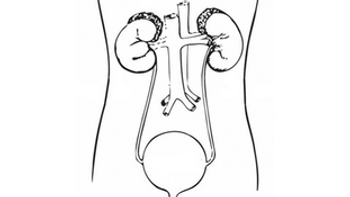
Sophia Kamran, MD, discussed the updated AUA guidelines on salvage therapy for patients with prostate cancer and their implications.

A groundbreaking telehealth trial offers remote access to innovative pancreatic cancer treatment, enhancing patient participation and care coordination nationwide.

Alfred L. Garfall, MD, provided a deep dive into the phase 2 BMT CTN 1902 trial of ide-cel in multiple myeloma after transplant.
A new FDA application for vepdegestrant offers hope for advanced breast cancer patients with ESR1 mutations, showcasing promising trial results.
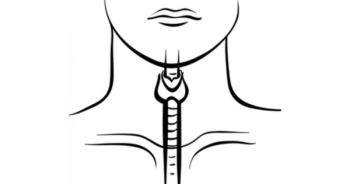
An updated analysis on larotrectinib showed compelling data in TRK fusion thyroid carcinoma.
Zipalertinib shows promising efficacy and safety for advanced NSCLC with EGFR exon 20 mutations, offering a much-needed oral treatment option.

A recent study reveals promising outcomes for lung cancer patients who undergo rechallenge with different RET inhibitors after initial treatment failure.
New findings reveal RP1 combined with nivolumab enhances response rates in advanced melanoma, especially with deep tumor injections, showing promising safety and efficacy.

Theresa Medina, MD, discusses treatment with lifileucel in patients with advanced melanoma and the background of the C-144-01 study.
David A. Braun, MD, PhD, reveals how integrating tumor and circulating biomarkers enhances treatment response predictions in advanced renal cell carcinoma.

A groundbreaking study reveals rusfertide's potential to transform polycythemia vera treatment, reducing phlebotomy needs and improving patient quality of life.
Ipatasertib combined with fulvestrant significantly extends progression-free survival in ER-positive, HER2-negative metastatic breast cancer patients post-CDK4/6 therapy.
A novel bispecific antibody, BNT327/PM8002, shows promising efficacy in treating unresectable mesothelioma, combining well with chemotherapy for durable responses.
A phase 2 trial shows promising results for pembrolizumab combined with cisplatin and radiation in treating unresectable vulvar cancer.
A novel combination therapy shows promise for advanced lung cancer patients resistant to standard treatments, offering hope for improved survival rates.
Suresh S. Ramalingam, MD, FACP, FASCO, emphasizes the role of community oncologists in translating new advancements in lung cancer research into widespread patient benefit.
LB2102 showed early antitumor activity and no DLTs in small cell lung cancer and large cell neuroendocrine carcinoma.

Abhishek Maiti, MD, discussed the EVICTION trial in AML and results presented during the 2025 American Society of Clinical Oncology (ASCO) Annual Meeting.
JNJ-79635322 shows favorable responses and manageable safety in BCMA/GPRC5D-naïve patients with relapsed/refractory multiple myeloma.

The PSMAddition trial shows 177Lu PSMA-617 significantly delays progression in mHSPC when added to hormone therapy, with a positive trend in overall survival.
Encorafenib and binimetinib show promise in reducing recurrence risk for high-risk BRAF V600-mutant melanoma, demonstrating a manageable safety profile.
Higher pretreatment HER2 amplicon mRNA and HER2 protein levels predicted improved time to next treatment with T-DXd in metastatic breast cancer. Conversely, higher TOPO1 protein correlated with worse outcomes.
Daratumumab enhances treatment efficacy in newly diagnosed multiple myeloma, showing improved MRD negativity and progression-free survival in recent clinical trials.