
Opinion|Videos|March 12, 2025
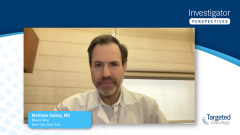
High-Risk MIBC: Adjuvant Therapy Options After Radical Cystectomy
Author(s)Matthew Galsky, MD
An expert discusses how adjuvant therapy options for high-risk muscle-invasive bladder cancer (MIBC); ypT2-ypT4a or N+) include cisplatin-based chemotherapy, which improves survival by targeting micrometastatic disease. Immune checkpoint inhibitors, such as atezolizumab and nivolumab, offer alternatives for cisplatin-ineligible patients.
Advertisement
Episodes in this series
Video content above is prompted by the following:
- What are the adjuvant therapy options for patients with high-risk muscle invasive bladder cancer (ypT2-ypT4a or N+)?
Advertisement
Related to this article

Experts debate second-line tivozanib for advanced renal cell carcinoma, weighing PFS gains, tolerability, and whether continuing immunotherapy adds real benefit.
The designation expands the investigational immunotherapy’s development across tumor types for patients whose disease progresses after prior treatment, including immune checkpoint inhibition.

Phase 2b data show iopofosine I-131 drives deep, durable responses in relapsed Waldenström macroglobulinemia after BTK inhibitors, with manageable cytopenias.

The RELIGHT study found that adding retlirafusp alfa to chemotherapy extended overall and progression-free survival in previously untreated gastric and GEJ cancers.

Gary Simmons, DO, MSHA, discusses outpatient CAR T-cell therapy in the community, the operational and payer bottlenecks his practice has faced, and advice for colleagues.

During a virtual event, Neil M. Iyengar, MD, and participants discussed how approvals for trastuzumab deruxtecan before and after surgery complicate sequencing for patients with HER2-positive early breast cancer.
The oral KRAS G12D inhibitor VS-7375 elicited clinical responses across patients with KRAS G12D–mutant pancreatic, lung, and colorectal cancer.

ASH updates myelofibrosis care with expanded molecular testing, earlier transplant consultation, tailored JAK inhibitor use, anemia strategies, and aspirin guidance to reduce clot risk.
Advertisement
Advertisement
Trending on Targeted Oncology - Immunotherapy, Biomarkers, and Cancer Pathways
1
VS-7375 Shows Antitumor Activity in PDAC, Other KRAS G12D–Mutant Tumors
2
ESMO 2026 Preview: Late-Breaking Studies to Watch Across Tumor Types
3
FDA Accepts BLA for Pembrolizumab Biosimilar Candidate FYB206
4
Amivantamab vs. Emerging EGFR Bispecifics in HNSCC
5