



HCC
Latest News
Advertisement
Latest Videos




























Advertisement
More News



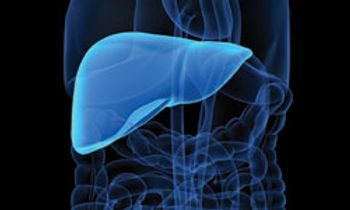
Unresectable Hepatocellular Carcinoma






Unresectable Hepatocellular Carcinoma

Study data reported at the 2015 ASCO Annual Meeting has demonstrated a nearly 20% response rate with the anti-programmed cell death-1 (PD-1) monoclonal antibody nivolumab (Opdivo) in patients with HCC.
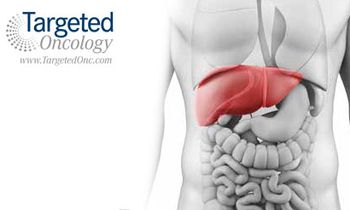
Antiviral therapy with nucleoside analogs demonstrated an improvement in survival for sorafenib-treated patients with hepatitis B virus-related hepatocellular carcinoma.

Statin use was associated with a statistically significant reduction in the risk of liver cancer.

The risk of developing liver cancer may be increased by excessive body fat and decreased by coffee consumption.

Laura Dawson, MD, provides insight into the diagnosis and treatment of hepatocellular carcinoma.
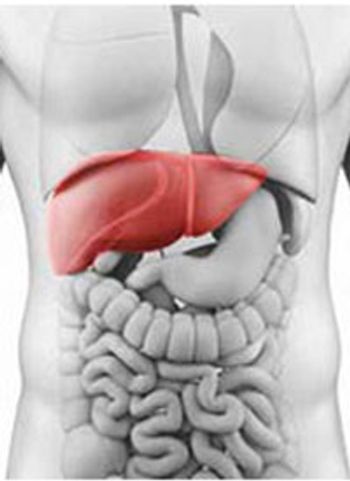
A novel, evidence-based model for staging liver function in the setting of hepatocellular carcinoma may offer improved guidance in the selection of appropriate, patient-specific therapeutic strategies.
A recent phase III clinical trial has offered hope for the prophylactic management of hand-foot skin reaction in patients with hepatocellular carcinoma treated with sorafenib.
The small molecule multikinase inhibitor sorafenib remains the only molecularly targeted therapy approved by the FDA for the treatment of hepatocellular carcinoma, with ongoing clinical trials diligently testing the potential for novel targeted agents or combination therapies to further improve patient outcomes in this setting.

Despite their promise, checkpoint inhibitors are not effective in every patient, and research suggests the STING (stimulator of interferon genes) pathway may hold important clues as to why some tumors fail to respond.
Laura Dawson, MD, FRCPC, professor, Department of Radiation Oncology, University of Toronto, discusses screening and prevention of hepatocellular carcinoma (HCC).

Growth in healthcare spending in the United States continues to outpace growth in European countries that enjoy a similar standard of living.

Representatives Diana DeGette (D, Colorado) and Fred Upton (R, Michigan) recently released a "discussion draft" of the 21st Century Cures Act.
Metastatic disease accounts for the vast majority of cancer-related deaths. Ensuring a definitive diagnosis and the most effective treatment in a timely fashion is essential for extending life expectancy.

An analysis of patients with advanced hepatocellular carcinom and elevated α-fetoprotein who received second-line ramucirumab showed a significant improvement in overall survival.
Advertisement
Advertisement
Trending on Targeted Oncology - Immunotherapy, Biomarkers, and Cancer Pathways
1
FDA Accepts NDA for Daraxonrasib in Metastatic Pancreatic Cancer
2
Advanced Renal Cell Carcinoma: Tailoring Second-Line Therapy After Prior Immunotherapy
3
Teclistamab/Talquetamab Reduces Risk of Progression by 89% in R/R Multiple Myeloma
4
IMNN-001 Plus Chemo Cuts MRD Rate in Frontline Ovarian Cancer
5