





HCC
Latest News
Advertisement
Latest Videos

































Advertisement
More News

Recent news stories profiling a cancer patient whose last hope rests on treatment by injections of the virus that causes AIDS may have created some misconceptions regarding a new cancer immunotherapy.

Hepatocellular carcinoma remains one of the most common tumors worldwide, and frequently carries a poor prognosis, with most patients being diagnosed at late stages of disease.

As with most cancers, early diagnosis and treatment of hepatocellular carcinoma (HCC) may result in more effective treatment and improved outcomes. Unfortunately, most patients with HCC are diagnosed at a late stage, when therapeutic options are limited and prognosis is poor.

Hepatocellular cancer (HCC) is a rapidly fatal malignancy that is often diagnosed at an advanced stage when it is not curable. Despite a rise in incidence, this cancer is not as common in the Western world as it is in Asia and Africa.

Melanie B. Thomas, MD, discusses the rationale of a phase II study of adjuvant capecitabine/gemcitabine for extrahepatic cholangiocarcinoma and gallbladder carcinoma.
Ghassan K. Abou-Alfa, MD, Gastrointestinal Oncology Service, Memorial Sloan Kettering Cancer Center, discusses results of the phase III STORM trial in hepatocellular carcinoma.

The investigational CD19-targeted chimeric antigen receptor (CAR) therapy CTL019 has received a breakthrough therapy designation from the FDA as a potential treatment for pediatric and adult patients with relapsed/refractory acute lymphoblastic leukemia (ALL).

The liver is a common site of metastatic recurrence for many tumors. For a minority of patients, surgical resection may be an option; however, most patients will not qualify for surgery due to insufficient liver functional reserve or other contraindications.

Selena Juarez Stuart, MD, hematology/oncology fellow, Cancer Therapy & Research Center, The University of Texas Health Science Center at San Antonio, discusses the risks and benefits of phase I liver dysfunction studies.

Melanie B. Thomas, MD, discusses the potential utility for the monoclonal antibody PF-03446962 in hepatocellular carcinoma (HCC).

The FDA has approved the radioactive diagnostic imaging agent Lymphoseek injection to guide sentinel lymph node biopsy in patients with cancer of the head and neck.
The phase III REACH trial, which examined ramucirumab (Cyramza) for the second-line treatment of patients with hepatocellular carcinoma (HCC), failed to meet its primary endpoint of overall survival (OS).
Ghassan K. Abou-Alfa, MD, Gastrointestinal Oncology Service, Memorial Sloan Kettering Cancer Center, discusses two analyses of GC33 for the treatment of hepatocellular carcinoma (HCC).

Ghassan K. Abou-Alfa, MD, Gastrointestinal Oncology Service, Memorial Sloan Kettering Cancer Center, discusses a retrospective study to determine the prognostic value of C-reactive protein (CRP) levels in patients with hepatocellular carcinoma (HCC) who are undergoing treatment with sorafenib.

Boris Kuvshinoff II, MD, MBA, associate professor, Division of Gastrointestinal/Endocrine Surgery, Department of Surgical Oncology, director, Liver and Pancreas Tumor Center, Roswell Park Cancer Institute, discusses microwave ablation therapy for the treatment of liver cancer.

Ghassan K. Abou-Alfa, MD, Gastrointestinal Oncology Service, Memorial Sloan-Kettering Cancer Center, discusses the phase II study of a novel transforming growth factor-beta receptor I (TGF-β1) kinase inhibitor, LY2157299 monohydrate, in patients with advanced hepatocellular carcinoma (HCC), which was presented at the 2014 Gastrointestinal Cancers Symposium

Screening for prostate-specific antigen (PSA) significantly cuts the death rate from prostate cancer, but at the same time, America’s medical community should work harder to avoid the screen’s potential pitfalls.

A wide-ranging analysis of more than 5500 breast cancer tumors that combined genomic and protein expression testing has identified promising targets to explore for treating patients with poor prognoses, with particularly notable findings involving androgen receptor (AR) expression.
Ghassan K. Abou-Alfa, MD, Gastrointestinal Oncology Service, Memorial Sloan Kettering Cancer Center, discusses a retrospective analysis that evaluated embolization versus embolization plus systemic therapy in patients with hepatocellular carcinoma and metastatic disease.

Treatment with an inhibitor of TGF-β led to significant reductions in a prespecified biomarker that correlated with increased TTP and OS in patients with advanced HCC, according to results of a phase II clinical trial.
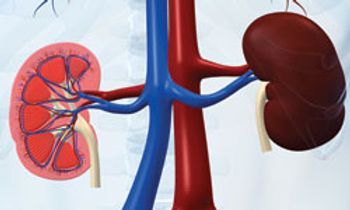
A research team at Cold Spring Harbor Laboratory in New York has succeeded in identifying the most common genetically altered genes and the major oncogenic drivers in hepatitis B virus-associated hepatocellular carcinoma (HCC).
Richard S. Finn, MD, associate professor of medicine, Department of Medicine, Division of Hematology/Oncology, Geffen School of Medicine at UCLA, discusses the use of tivantinib and regorafenib for the treatment of patients with liver cancer.

Julie R. Brahmer, MD, from Johns Hopkins University School of Medicine, Sidney Kimmel Comprehensive Cancer Center, discusses the outlook for immunotherapies in cancer care.

Over the past two decades, there has been a shift away from indiscriminate cell-killing by anticancer agents toward the development of more specific drugs that target key aspects of cancer cell biology.

Richard Finn, MD, from UCLA's Jonsson Comprehensive Cancer Center, discusses the difficulties of treating liver cancer.
Advertisement
Advertisement
Trending on Targeted Oncology - Immunotherapy, Biomarkers, and Cancer Pathways
1
FDA Accepts NDA for Daraxonrasib in Metastatic Pancreatic Cancer
2
Advanced Renal Cell Carcinoma: Tailoring Second-Line Therapy After Prior Immunotherapy
3
Teclistamab/Talquetamab Reduces Risk of Progression by 89% in R/R Multiple Myeloma
4
IMNN-001 Plus Chemo Cuts MRD Rate in Frontline Ovarian Cancer
5