

With a minimum of 73.5 months of follow-up, nivolumab plus ipilimumab showed a benefit in overall survival in patients with treatment-naive stage IV or recurrent non–small cell lung cancer with no known EGFR/ALK alterations.

With a minimum of 73.5 months of follow-up, nivolumab plus ipilimumab showed a benefit in overall survival in patients with treatment-naive stage IV or recurrent non–small cell lung cancer with no known EGFR/ALK alterations.

Aaron T. Gerds, MD, MS, provides advice to community oncologists on how to utilize momelotinib for patients with myelofibrosis.
Atezolizumab, carboplatin, and pemetrexed demonstrated efficacy and safety in patients with advanced lung cancer with untreated brain metastases.

HEMO-CAR-T is an autologous chimeric antigen receptor T-cell therapy being developed against an acute myeloid leukemia target.

Adding immunotherapy to chemotherapy is the new standard-of-care treatment for advanced or recurrent endometrial cancer, according to Eirwen Miller, MD.

Skye Montoya, discusses research that she was a part of on mechanisms of resistance to noncovalent Bruton’s tyrosine kinase inhibitors in chronic lymphocytic leukemia.
According to research led by Tetsuya Mitsudomi, MD, perioperative durvalumab plus chemotherapy may be better than placebo plus chemotherapy for the treatment of resectable non–small cell lung cancer.
Momelotinib has emerged as a new FDA-approved treatment option for patients with myelofibrosis and anemia.
Hatem Soliman, MD, discusses second- and third-line strategies being used for the treatment of patients with HER2-positive metastatic breast cancer.
A new target action date has been set as the FDA continues to consider approving lifileucel for the treatment of advanced melanoma.

In an interview with Targeted Oncology, Jeffrey R. Schriber, MD, highlighted some of the most recent updates in the field of multiple myeloma, and discussed emerging therapies that show promise.
Results from the BRUIN study focusing on patients with chronic lymphocytic leukemia/small lymphocytic lymphoma showed benefit in patients were pretreated with Bruton tyrosine kinase inhibitors.
There are 2 new FDA indications for temozolomide.

No adverse events were associated with 64Cu-SAR-Bombesin treatment in patients with prostate cancer, according to findings from the phase 2 BOP trial.

Nathan Bahary, MD, PhD, discusses how Allegheny Health Network has been able to combat the recent chemotherapy drug shortages seen nationwide.
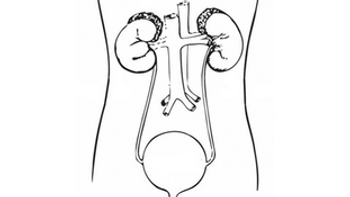
Nadofaragene firadenovec-vncg received FDA approval for patients with high-risk, BCG-unresponsive non-muscle invasive bladder cancer in 2022, and is now being evaluated further in the ABLE-41 trial.
A phase 1/2 study of tulmimetostat in patients with advanced solid tumors and lymphomas is underway.
Data from the phase 2 FIREFLY-1 trial support the new drug application for tovorafenib in relapsed or progressive pediatric low-grade glioma. The regulatory agency anticipates filing the application by mid-November 2023
In an interview, John Lister, MD, discussed the utility of stem cell transplant in T-cell lymphoma, including ongoing clinical trials and future needs.

Joshua K. Sabari, MD, discusses the importance of targeting the KRAS biomarker and what inhibitors currently exist for patients with KRAS G12C-mutant advanced solid tumors.

In an interview with Targeted Oncology, Frederick Locke, MD, discussed the mechanism of action of 2 allogeneic CD19-directed CAR T-cell products and next steps for their evaluation for the treatment of patients with LBCL.
The combination of AFM13 with AlloNK has been granted FDA fast track designation and is being investigated in the phase 2 LuminICE-203 study for patients with Hodgkin lymphoma.

In an interview, Mohamad Adham Salkeni, MD, FRCPC, discussed the ongoing study of maintenance ivaltinostat plus capecitabine or capecitabine monotherapy in patients with metastatic pancreatic adenocarcinoma whose disease has not progressed on first-line FOLFIRINOX.
According to Ruben A. Mesa, MD, FACP, confirming the benefit of long-acting interferon for essential thrombocytopenia is key.


Michael Wang, MD, discusses where unmet needs still exist for patients with relapsed/refractory mantle cell lymphoma.

Trilaciclib was found to to be a promising new treatment for chemotherapy-induced myelosuppression prevention and other benefits for patients with extensive-stage small cell lung cancer.

The BEAMION Lung-1 trial of zongertinib in HER2–mutant solid tumors is advancing to phase 1b following encouraging preliminary results.

During a webcast, experts discussed the current and future treatment landscape of hepatocellular carcinoma and the need to explore combinations with chemotherapy.