





EGFR+ Lung Cancer
Latest News

Advertisement
Latest Videos















































Advertisement
More News

Available therapies for patients with lung cancer are associated with a number of significant toxicities that must be effectively managed by oncologists.

Only about 5% of patients with cancer are recruited into oncology clinical trials, raising a concern that unless this improves, progress in the development new treatments for cancer may be delayed.

The definition of liquid biopsy has expanded to include the collection of cfDNA, along with various species of cell-free RNA and exosomes, all of which are capable of providing information on the disease status of cancer patients.

Early detection in lung cancer is strongly linked to better survival. In a landmark decision the CMS recently approved national coverage for lung cancer screening with LDCT for high-risk smokers.

Roman Perez-Soler, MD, chairman and chief, department of medical oncology, Montefiore Medical Center, deputy director, Albert Einstein Cancer Center, discusses the challenges oncologists still face in lung cancer.
Maria E. Arcila, MD, acting director, Diagnostic Molecular Pathology Laboratory, Memorial Sloan Kettering Cancer Center, discusses diagnostic platforms for lung cancer.

Blocking activin-A, a protein that is secreted by non-small cell lung cancer (NSCLC) cells, may prevent cancer metastasis, according to research conducted at the University of Virginia (UVA).

Many patients with non–small cell lung cancer (NSCLC) have no identifiable mutations, and therefore their disease cannot be managed with targeted treatments.
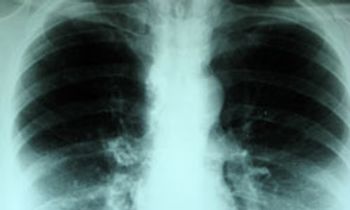
The oral multikinase inhibitor motesanib failed to meet the primary endpoint of improving progression-free survival (PFS) in patients with non–small cell lung cancer (NSCLC) in the phase III MONET-A trial.

Roy S. Herbst, MD, PhD, professor, Yale Cancer Center, chief of medical oncology, Smilow Cancer Hospital at Yale-New Haven, comments on the development of biomarkers for lung cancer.

An international team of scientists has shed additional light on the important role of Yes-associated protein (YAP) in tumor development and in treatment response.

To make a diagnosis of lung cancer, radiologists, who must read radiographs accurately can fall victim to a psychological phenomenon known as inattentional blindness.

Representatives Diana DeGette (D, Colorado) and Fred Upton (R, Michigan) recently released a "discussion draft" of the 21st Century Cures Act.

The anti–PD-L1 agent MPDL3280A has received a breakthrough therapy designation from the FDA as a potential treatment for patients with PD-L1–positive NSCLC who have progressed on platinum-based chemotherapy and a EGFR or ALK inhibitor.
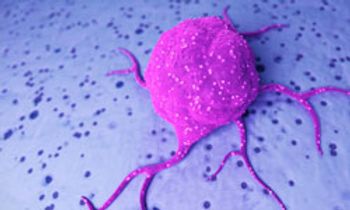
Metastatic disease accounts for the vast majority of cancer-related deaths. Ensuring a definitive diagnosis and the most effective treatment in a timely fashion is essential for extending life expectancy.
Lecia V. Sequist, MD, discusses the unanswered question of which EGFR TKI to use in the frontline setting of NSCLC.

Nivolumab (Opdivo) improved survival compared with docetaxel in patients with pretreated squamous cell non–small cell lung cancer (NSCLC) in the phase III CheckMate-017 trial, according to Bristol-Myers Squibb (BMS), which manufactures the drug.

Thomas J. Lynch, MD, discusses challenges associated with treating patients with lung cancer with molecular targeted therapies.

Treating sensitizing EGFR-mutant non-small cell lung cancer (NSCLC) with tyrosine kinase inhibitors (TKIs) leads to better outcomes compared with standard chemotherapy.

The FDA has approved the VEGFR-2 inhibitor ramucirumab (Cyramza) in combination with docetaxel for the treatment of patients with metastatic non-small cell lung cancer (NSCLC) whose tumor has progressed during or following treatment with platinum-based chemotherapy.

A 25-gene hereditary cancer panel can increase the identification of deleterious mutations by almost 70%, over testing for hereditary breast and ovarian cancer (HBOC) or Lynch syndrome alone.

The programmed death receptor-1 (PD-1) ligand, PD-L1, has become a viable target for immunotherapy in cancer, with multiple antibodies now in development.

Multiple trials are ongoing in NSCLC with immunotherapy agents. As with most cancers, however, there is also a need to identify which types of patients with NSCLC might benefit the most from these new therapies.
Vassiliki Papadimitrakopoulou, MD, discusses adverse events associated with immunotherapies for the treatment of lung cancer.

Ceritinib (Zykadia) showed clinically significant antitumor activity in patients with ALK-rearranged non-small cell lung cancer (NSCLC), including those with brain metastases.
Advertisement
Advertisement
Trending on Targeted Oncology - Immunotherapy, Biomarkers, and Cancer Pathways
1
Plinabulin Receives FDA Fast Track Designation in Post-ICI NSCLC
2
FDA Oncology Recap: Approvals, Designations, and Decisions in September 2026
3
Denosumab Biosimilar Approved For Existing Oncology Indications
4
CEPHEUS and Frontline Treatment in Newly Diagnosed Multiple Myeloma
5