



EGFR+ Lung Cancer
Latest News
Advertisement
Latest Videos













































Advertisement
More News
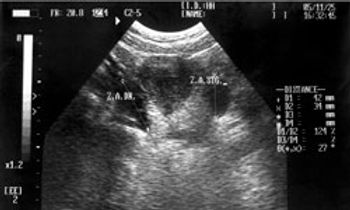
Patients with a rare but aggressive form of ovarian cancer had mutations in the chromatin regulator SMARCA4, suggesting a causative role of these mutations.

A study using next-generation sequencing showed that genetic testing limited to BRCA1/2 mutations would have missed 29% of mutations that carry hereditary risk of ovarian cancer.

Suresh S. Ramalingam, MD, a professor of medical oncology at the Winship Cancer Institute of Emory University, discusses the role of heat shock protein 90 (Hsp90) in the treatment of lung cancer.

James L. Mulshine, MD, professor, Associate Provost for Research, Vice President, Rush University Medical Center discusses the correlation between e-cigarettes and smoking cessation.

AstraZeneca has announced new collaborations with QIAGEN and Roche to create 2 separate, noninvasive companion diagnostic tests to be used with 2 of its drugs for NSCLC, gefitinib (IRESSA) and AZD9291.
James CH Yang, MD, PhD, Professor of Medicine, Deputy Director, Department of Medical Oncology, National Taiwan University Hospital, Director, Cancer Research, Center National Taiwan University College of Medicine, discusses current practices for administering TKI therapy and the potential for TKI combinations.
David Gandara, MD, professor, Division of Hematology/Oncology, University of California Davis Comprehensive Cancer Center, discusses overcoming KRAS mutations in lung cancer.

Eighty-five percent of patients with EGFR-positive non-small cell lung cancer (NSCLC) experienced significant reduction in tumor growth rate with the addition of cabozantinib to erlotinib.

Treatment for non-small cell lung cancer (NSCLC)—which includes adenocarcinoma, squamous cell carcinoma, and large cell carcinoma—has traditionally consisted of surgery, chemotherapy, and radiation therapy.
Lecia V. Sequist, MD, medical oncologist, associate professor, Massachusetts General Hospital, Harvard Medical School, discusses adverse events (AEs) associated with CO-1686 for patients with non-small cell lung cancer (NSCLC).
Karen L. Reckamp, MD, discusses a phase II, single-arm study of cabozantinib plus erlotinib for the treatment of patients with advanced EGFR-mutant non-small cell lung cancer (NSCLC).
Bilal Piperdi, MD, discusses an analysis presented at the 2014 ASCO Annual Meeting that looked at RICTOR amplification to define a subset of patients with lung cancer.

Some of our top key opinion leaders gathered recently for a discussion on evolving treatment approaches in NSCLC. The following transcript comes from segments that discuss maintenance therapy in detail.

Despite standard chemotherapy and the availability of targeted therapies such as bevacizumab, cetuximab, and tyrosine kinase inhibitors (TKIs) such as erlotinib, afatinib, and crizotinib, survival rates are far from optimal for patients with NSCLC.
Edward S. Kim, MD, chairman, Solid Tumor Oncology and Investigational Therapeutics, Levine Cancer Institute, Carolinas HealthCare System, discusses some of the challenges researchers face when it comes to biomarkers in lung cancer.

Suzanne A. W. Fuqua, PhD, professor of medicine at Baylor College of Medicine, discusses ESR1 mutations in primary breast cancer.

Treatment with enobosarm demonstrated an increase in lean body mass compared with a decline in LBM observed with placebo for patients with NSCLC.

The PD-1 inhibitor nivolumab and the second-generation ALK inhibitor alectinib have each gained their first approvals as treatments for patients in Japan.

Naiyer A. Rizvi, MD, an associate attending physician, Memorial Sloan Kettering Cancer Center, discusses pembrolizumab (MK-3475) for the treatment of non-small cell lung cancer (NSCLC).
Haiying Cheng, MD, medical oncologist, Montefiore Einstein Center for Cancer Car, assistant professor, Department of Medicine (Oncology), Albert Einstein College of Medicine, discuses RICTOR amplification in patients with lung cancer.

Continuing EGFR inhibition beyond progression with afatinib (Gilotrif) plus paclitaxel significantly improved PFS and ORR compared with chemotherapy alone in patients with heavily pretreated metastatic NSCLC.

Urinary cell-free DNA analysis had near-100% accuracy for detecting BRAF mutations associated with histiocytic disease, according to a small clinical study reported at the 2014 ASCO Annual Meeting in Chicago.

Mutational analysis is emerging as a powerful tool in oncology; from the identification and validation of a tumor-specific genetic lesion, to the development of therapeutic agents, to the subsequent, longitudinal assessment of acquired mutations.

The anti-PD-1 humanized antibody pembrolizumab (MK-3475) has robust antitumor activity as a first-line treatment for patients with advanced PD-L1-positive non–small cell lung cancer (NSCLC).

The FDA has approved the radioactive diagnostic imaging agent Lymphoseek injection to guide sentinel lymph node biopsy in patients with cancer of the head and neck.
Advertisement
Advertisement
Trending on Targeted Oncology - Immunotherapy, Biomarkers, and Cancer Pathways
1
Plinabulin Receives FDA Fast Track Designation in Post-ICI NSCLC
2
FDA Oncology Recap: Approvals, Designations, and Decisions in September 2026
3
Denosumab Biosimilar Approved For Existing Oncology Indications
4
CEPHEUS and Frontline Treatment in Newly Diagnosed Multiple Myeloma
5