

EGFR+ Lung Cancer
Latest News

Advertisement
Latest Videos














































Advertisement
More News

Howard (Jack) West, MD, is the medical director of the Thoracic Oncology Program at Swedish Cancer Institute and president and CEO of Global Resource for Advancing Cancer Education.

As with many cancers, early detection (before the onset of symptoms) offers the possibility for less expensive treatment and better outcomes in patients with non-small cell lung cancer (NSCLC).

Susan Galbraith, MD, PhD, provides an overview of the ongoing phase I/II AURA study.

Paul A. Bunn, Jr., MD, professor of medicine in medical oncology, head of the division of medical oncology, University of Colorado, discusses stopping treatment with a TKI before starting chemotherapy.
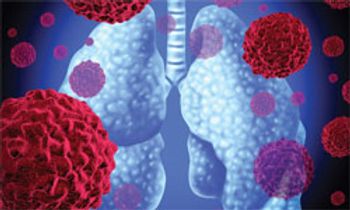
Early diagnosis of lung cancer is crucial, because surgery is curative only in the early stages. However, by the time most patients experience symptoms, the cancer has already progressed beyond the point of successful surgery.

The FDA has granted a breakthrough therapy designation to pembrolizumab for the treatment of patients with NSCLC who are EGFR mutation- or ALK rearrangement-negative and whose disease has progressed on or following platinum-based chemotherapy.
Heather Wakelee, MD, associate professor, Stanford University School of Medicine, discusses the need to combine agents for the treatment of lung cancer.

Five novel agents for the treatment of patients with advanced squamous cell carcinoma (SCC) of the lung will be evaluated in the recently launched Lung-MAP trial.
Vassiliki Papadimitrakopoulou, MD, from the University of Texas MD Anderson Cancer Center, discusses the implementation of personalized medicine for lung cancer patients.

Roy S. Herbst, MD, PhD, from Yale-New Haven in Connecticut, discusses the benefit of treating lung cancer with immunotherapy.

The Cancer Genome Atlas (TCGA) began in 2006, with a total investment of $100 million from the National Cancer Institute and the National Human Genome Research Institute for a 3-year pilot period.

Drs. Grace Dy and Hongbin Chen Discuss Systemic Treatment for Metastatic, Non-Small Cell Lung Cancer (NSCLC)
Fred R. Hirsch, MD, PhD, Professor of Medicine and Pathology, Associate Director for International Programs, University of Colorado Cancer Center, discusses the importance of biomarkers for lung cancer.
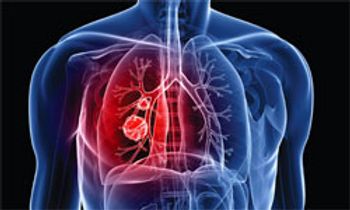
Immunotherapies have shown great promise in the treatment of advanced cancers, including metastatic melanoma and non-small cell lung cancers (NSCLC)

Oncogenic driver mutations have been detected in over 60% of the non-small cell lung cancer (NSCLC) tumor samples surveyed by the Lung Cancer Mutation Consortium (LCMC).
Therapeutic options available for the treatment of metastatic non-small cell lung cancer (NSCLC) include cytotoxic chemotherapies and targeted therapies.

Quincy Chu, MD, associate professor, medical oncologist, University of Alberta, discusses the development of ceritinib.

Several clinical trials combining nivolumab (Opdivo) with targeted therapies against ALK, c-MET, and T790M for patients with non-small cell lung cancer (NSCLC) have been established as part of a collaboration between Novartis and Bristol-Myers Squibb (BMS).

All patients with metastatic colorectal cancer should undergo RAS mutation testing to ensure optimal patient selection for EGFR inhibitor therapy.

Patients with advanced lung cancer had improved appetite, less weight loss, and a significant increase in lean body mass when treated with a ghrelin agonist, two randomized trials showed.

Almost 60% of patients with advanced non–small cell lung cancer had tumor shrinkage when treated with the PD-L1 inhibitor pembrolizumab.

Of the many signaling cascades being targeted for therapeutic intervention in cancer, one of the most important and best understood is the MAPK pathway, particularly the RAS/RAF/MEK/ERK cascade.

Several advances in the treatment of metastatic melanoma have occurred in the last 5 years, one of which has been the approval by the FDA of targeted treatments for patients with melanomas harboring a BRAF mutation.

Timing of metastatic development, lymph node involvement, and type of disease all factor into the overall survival (OS) rate of patients with stage IV NSCLC, and could offer a potential risk stratification scheme for ablative therapy.
Siavash Jabbari, MD, discusses the potential for implantable cardiac devices such as pacemakers to malfunction following radiation therapy.
Advertisement
Advertisement
Trending on Targeted Oncology - Immunotherapy, Biomarkers, and Cancer Pathways
1
Plinabulin Receives FDA Fast Track Designation in Post-ICI NSCLC
2
FDA Oncology Recap: Approvals, Designations, and Decisions in September 2026
3
Denosumab Biosimilar Approved For Existing Oncology Indications
4
CEPHEUS and Frontline Treatment in Newly Diagnosed Multiple Myeloma
5