

Bevacizumab (Avastin) has been approved for patients with recurrent platinum-resistant ovarian cancer in combination with chemotherapy. The approval was based on results from the phase III AURELIA trial.

Bevacizumab (Avastin) has been approved for patients with recurrent platinum-resistant ovarian cancer in combination with chemotherapy. The approval was based on results from the phase III AURELIA trial.
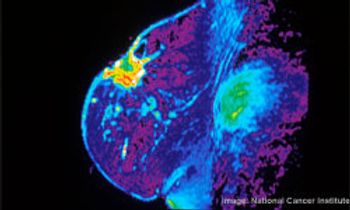
Frontline treatment with neratinib and paclitaxel demonstrated similar ORR and PFS as trastuzumab and paclitaxel while lowering the incidence of CNS metastases in patients with locally recurrent or metastatic HER2-positive breast cancer.

Recent news stories profiling a cancer patient whose last hope rests on treatment by injections of the virus that causes AIDS may have created some misconceptions regarding a new cancer immunotherapy.

Researchers from the Mayo Clinic in Jacksonville, Florida, have uncovered the link between oncogenic pancreatic acinar cells and the inflammation that facilitates its cancerous progression.

As new therapies enter the treatment landscape for metastatic disease, the role of the oncology nurse becomes even more critical in educating patients about what side effects to look out for and the importance of reporting any adverse events promptly.

Dendreon has filed for chapter 11 bankruptcy, the company announced Nov. 10. Dendreon is the maker of the first FDA-approved immunotherapy for advanced prostate cancer, sipuleucel-T (Provenge).

Drugs that inhibit the DNA repair enzyme poly(ADP-ribose) polymerase (PARP) have been shown to be effective in treating ovarian, breast, and prostate cancers in patients with inherited BRCA mutations.

Bayer HealthCare Pharmaceuticals restored access to radium-223 dichloride (Xofigo) following a temporary suspension in production to adjust its manufacturing process to meet certain quality standards that the company has in place.

The FDA’s Oncologic Drugs Advisory Committee (ODAC) voted 5-2 against the accelerated approval of panobinostat (Farydak) in combination with bortezomib (Velcade) and dexamethasone for the treatment of patients with multiple myeloma who have received at least one prior therapy.

Adding the GM-CSF agent sargramostim to the CTLA-4 inhibitor ipilimumab (Yervoy) prolonged overall survival (OS) and lowered toxicity for patients with unresectable stage III or IV melanoma.

Based on data from the phase III RAINBOW trial, the FDA has approved ramucirumab (Cyramza) in combination with paclitaxel as a treatment for patients with previously treated advanced gastric or gastroesophageal junction (GEJ) adenocarcinoma.

A statistically significant improvement in overall survival (OS) was not seen with the combination of paclitaxel and the angiogenesis inhibitor trebananib when compared with paclitaxel alone for patients with recurrent platinum-resistant ovarian cancer.

Capitalizing on cellular apoptotic pathways to eradicate cancer cells holds much interest because it harnesses the body’s natural defense systems, and because dysregulation of apoptosis occurs frequently in cancer.

Characterized by the absence of cell surface receptors for estrogen, progesterone and epidermal growth factor, triple negative breast cancer (TNBC) presents a formidable treatment challenge.

Early diagnosis of lung cancer is crucial, because surgery is curative only in the early stages. However, by the time most patients experience symptoms, the cancer has already progressed beyond the point of successful surgery.

The FDA has granted a breakthrough therapy designation to pembrolizumab for the treatment of patients with NSCLC who are EGFR mutation- or ALK rearrangement-negative and whose disease has progressed on or following platinum-based chemotherapy.

The development of drug resistance in cancer cells presents a major obstacle to cancer treatments of all types, including small molecule inhibitors, monoclonal antibodies, and hormone therapy.

New research has identified a genetic variant that helps reduce the risk of breast cancer in some Latina patients by 40% to 80%.

TAS-102 (tipiracil hydrochloride) has received a fast track designation from the FDA as a treatment for patients with refractory metastatic colorectal cancer (mCRC), according to an announcement by Taiho Oncology, the company developing the drug in the US.

A “nano-cocoon†DNA drug delivery vehicle may offer several advantages over other nanotechnology-based delivery systems, according to new research.

The investigational chimeric antigen receptor (CAR) therapy CTL019 elicited complete remissions in 27 of 30 pediatric and adult patients (90%) with relapsed/refractory acute lymphoblastic leukemia (ALL) in 2 pilot trials.

The FDA has granted a priority review to the oral multiple tyrosine kinase receptor inhibitor lenvatinib as a treatment for patients with progressive, radioactive iodine (RAI)-refractory differentiated thyroid cancer (DTC).

Two agents with contrasting mechanisms of actions exert synergistic effects while limiting tumor blood supply in ovarian cancer. Patient enrollment began this month (October 2014) for a new phase 1b/2 clinical study1 to evaluate this novel combination with the VDA fosbretabulin plus pazopanib.

Production of the prostate cancer drug radium-223 (Xofigo) has been suspended indefinitely by its maker, Bayer HealthCare Pharmaceuticals, due to a manufacturing problem. The company confirmed the manufacturing suspension in a statement released to Targeted Oncology.

The FDA has expanded the approval of Lymphoseek (technetium Tc 99m tilmanocept) injection to include sentinel lymph node (SLN) detection for breast cancer and melanoma as well as lymphatic mapping in solid tumors.
The FDA has assigned a priority review designation to palbociclib in combination with letrozole as a frontline treatment for postmenopausal patients with ER-positive, HER2-negative advanced breast cancer.

The FDA has approved bortezomib (Velcade) in combination with rituximab, cyclophosphamide, doxorubicin, and prednisone (VR-CAP) as a frontline treatment for patients with mantle cell lymphoma.
The FDA has approved NEPA (Akynzeo) to treat nausea and vomiting in patients undergoing chemotherapy as part of their cancer treatment.
The FDA has assigned a priority review designation to blinatumomab as a treatment for adult patients with Philadelphia chromosome-negative (Ph-) relapsed/refractory B-precursor acute lymphoblastic leukemia.

The FDA has scheduled an ODAC advisory hearing to discuss the NDA for panobinostat in combination with bortezomib and dexamethasone for patients with multiple myeloma who have received at least one prior therapy.