

The FDA has placed a partial hold on the clinical development of the BCR-ABL inhibitor ponatinib (Iclusig), following the high occurrence of arterial thrombosis in patients treated with the drug.

The FDA has placed a partial hold on the clinical development of the BCR-ABL inhibitor ponatinib (Iclusig), following the high occurrence of arterial thrombosis in patients treated with the drug.

Updated recommendations for HER2 testing in breast cancer have been released by the American Society of Clinical Oncology (ASCO) and the College of American Pathologists (CAP).
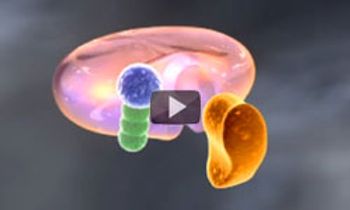
Volasertib (BI 6727) is a potent and selective inhibitor of PLK1 in vitro that is currently being evaluated for its therapeutic potential to target the cell cycle.

MK-3475, an investigational immunotherapy, has demonstrated an objective response rate (ORR) of up to 24% in patients with previously treated non-small cell lung cancer (NSCLC), according to interim results from a phase Ib expansion study.

Results from a pooled analysis of survival data from 12 studies demonstrated long-term survival benefit in patients with metastatic or locally advanced or unresectable melanoma treated with ipilimumab (Yervoy).

The FDA has approved pertuzumab (Perjeta), the first neoadjuvant treatment for patients with breast cancer.

Advances in the understanding of oncogenic cellular pathways have uncovered new targets for therapeutic intervention. One such emerging target is peroxisome proliferator activated receptor (PPAR) family.
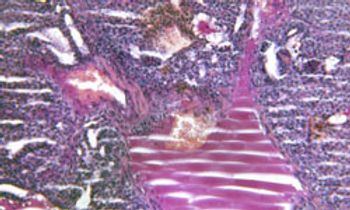
Across several studies, the BRAFV600E mutation has been reported to be associated with several negative prognostic clinicopathologic features as well as an increase in overall mortality in patients with papillary thyroid carcinoma (PTC).

It has long been recognized that many breast tumors in postmenopausal women are hormone-dependent and that hormonal manipulation can alter the natural history of the disease. Learn more about the mechanism of action of fulvestrant (Faslodex).
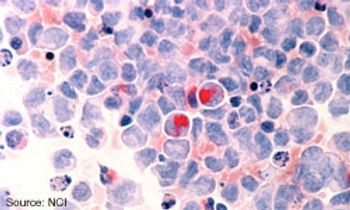
The FDA has granted a Breakthrough Therapy designation to the novel PLK1 inhibitor volasertib in combination with LDAC for its potential as a treatment for patients with untreated AML who are ineligible for intensive remission induction therapy.
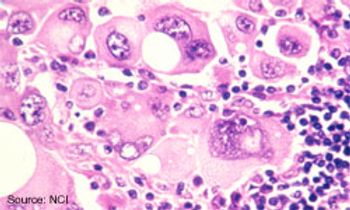
The FDA has granted Priority Review designation to dabrafenib (Tafinlar) and trametinib (Mekinist) as a combination treatment for patients with unresectable or metastatic melanoma with a BRAFV600E/K mutation.

The human epidermal growth factor receptors (known as the HER family) play a pivotal role in transmitting signals that regulate cell growth and survival.

The FDA’s Oncologic Drugs Advisory Committee voted 13-0 with one abstention in support of pertuzumab (Perjeta) in combination with trastuzumab and docetaxel for patients with HER2-positive breast cancer in the neoadjuvant setting.
Entinostat in combination with exemestane has been granted a Breakthrough Therapy designation from the FDA for its potential to reverse resistance to hormonal therapies used to treat patients with advanced ER-positive breast cancer.

Nab-paclitaxel (Abraxane) plus gemcitabine received FDA approval today as a treatment for patients with metastatic adenocarcinoma of the pancreas

An investigational MAGE-A3 vaccine failed to significantly extend disease-free survival (DFS) in certain patients with postsurgical melanoma

A phase III clinical program to investigate olaparib as a treatment for patients with BRCA-mutated ovarian cancer marks a step forward in the revived development of an agent that was once left on the sidelines.

Despite recent oncology breakthroughs, conventional anticancer treatments may have limitations. Decades of research are resulting in the capacity to create a new generation of antibody drug conjugates.

Our weekly web roundup featuring articles and blog posts from MSKCC, UCLA’s Jonsson Comprehensive Cancer Center, Johns Hopkins Medicine, and the University of Colorado Cancer Center.

Sorafenib (Nexavar) has been granted a priority review designation by the FDA for locally advanced or metastatic radioactive iodine (RAI)-refractory differentiated thyroid cancer.

Measuring CA-125, the protein that predicts ovarian cancer recurrence, has shown promise as a screening tool for the disease.
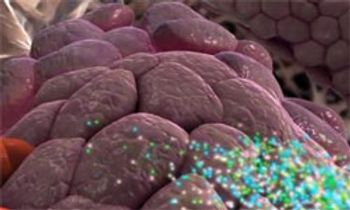
Metastasis to bone is a common and serious complication of many solid tumors. Learn more about the mechanism of action of zoledronic acid (Zometa).
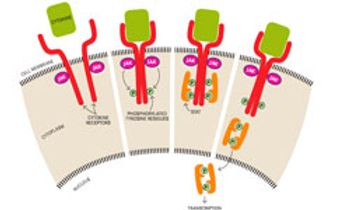
The survival rate of patients with recurrent or treatment-refractory pancreatic cancer was improved when patients were treated with a combination of ruxolitinib and capecitabine.

Pazopanib was better tolerated with noninferior efficacy when compared to sunitinib as a treatment for patients with advanced renal cell carcinoma.
A study shows that a new chemoresponse assay improves the overall survival and progression-free survival of patients with recurrent ovarian cancer while helping clinicians individualize care for those patients.

Breast cancer pathogenesis may be driven by activation of steroid hormone receptors, like those for estrogen and progesterone, and may also be driven by receptor tyrosine kinases.
The investigational immunotherapy Allovectin (velimogene aliplasmid) failed to meet key endpoints in a phase III trial in patients with stage III/IV metastatic melanoma.

Necitumumab plus chemotherapy as a first-line therapy for patients with metastatic squamous NSCLC demonstrated an improvement in OS vs chemotherapy alone.

Nintedanib (also known as Vargatef and BIBF 1120) is an oxindole-based, orally-available triple kinase inhibitor targeting the angiogenesis factors VEGF, PDGF, and FGF.

The week of August 5 in review, featuring articles and physician interviews on tamoxifen in BRCA-positive patients, advances in melanoma, and the MAGE-A3 protein in lung cancer.