Videos

2 experts in this video

Panelists discuss how lenvatinib has significantly impacted the systemic therapy landscape for hepatocellular carcinoma (HCC) across different stages. As a first-line treatment, it offers a viable alternative to sorafenib, demonstrating noninferior overall survival with improved progression-free survival and response rates. Its role extends to combination regimens and advanced-stage disease management.

2 experts in this video

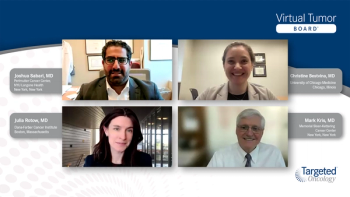
Panelists discuss how, when a patient progresses to second-line therapy, key considerations include prior treatment response, toxicity, patient comorbidities, and therapeutic goals. Lenvatinib shows potential beyond first-line treatment, offering efficacy in patients progressing on systemic therapies, with emerging data supporting its role in treatment sequencing.

1 expert in this video

Panelists discuss how optimizing shared-care models between academic and community centers enhances continuity in complex hematologic malignancies. Key monitoring parameters for tagraxofusp include capillary leak syndrome risk. Timely transplant referral depends on disease kinetics. Novel therapies are among the unmet needs in plasmacytoid dendritic cell neoplasm. Support resources aid patient management. Emerging treatments and clinical insights continue to advance care.

1 expert is featured in this series.

A panelist discusses how graft-vs-host disease (GVHD) manifests through a complex constellation of symptoms affecting multiple organ systems, including the skin (rash, itching), gastrointestinal tract (diarrhea, nausea, abdominal pain), liver (elevated enzymes, jaundice), and lungs (shortness of breath, cough), with severity assessment typically following established criteria.