
COMMUNITY ONCOLOGY PRACTICE
Latest News
Advertisement
Latest Videos
Shorts
0:39
MSOs: A Support System for Physicians
24 days ago
by
Marcus Neubauer, MD
0:46
How AI Could Take the Guesswork Out of Payer Policies
25 days ago
by
Marcus Neubauer, MD

0:31
Why No Oncologist Is Immune to Burnout
a month ago
by
Marcus Neubauer, MD
0:34
Tackling the Health Care Interoperability Problem
a month ago
by
Marcus Neubauer, MD
0:35
The EMR, AI, and the Fight Against Physician Burnout
a month ago
by
Marcus Neubauer, MD
0:39
Recognizing Emotional Exhaustion in Burned-Out Colleagues
a month ago
by
Marcus Neubauer, MD
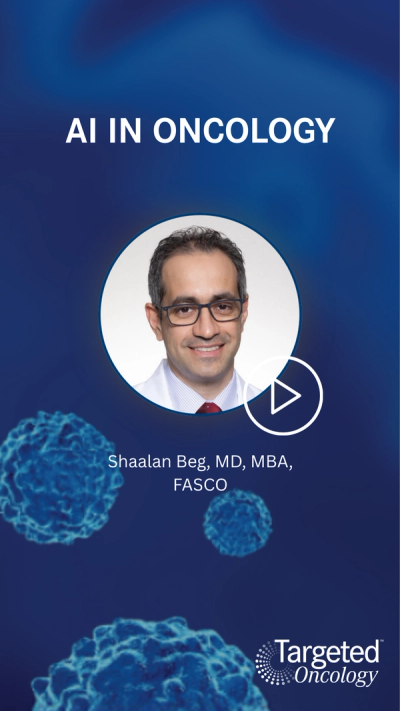
0:44
Why Oncology Needs Integrated AI Solutions
a month ago
by
Shaalan Beg, MD, MBA, FASCO
0:49
Using AI to Bring Trials to More Patients
a month ago
by
Shaalan Beg, MD, MBA, FASCO
0:46
Balancing AI Efficiency With Human Oversight in Oncology
a month ago
by
Shaalan Beg, MD, MBA, FASCO
0:27
How Agentic AI Can Slash Clinical Trial Screening Time
a month ago
by
Shaalan Beg, MD, MBA, FASCO
Podcasts





































Advertisement
More News
Learn how oncologists spot burnout early and cut it with smarter workflows, PTO coverage, supportive leadership, and AI-powered documentation.
Almost one-third of patients became newly eligible for treatment after identification of a previously undetected druggable mutation.
Agentic AI taps electronic medical records to flag timely oncology trial candidates, fit workflow, cut clinician burden, and boost community practice enrollment.
Agentic AI in oncology distills evidence, molecular data, and guidelines to aid therapy decisions, promising smarter, context-aware cancer care.
Agentic AI streamlines oncology decisions and trial matching, cutting administrative load, flagging care gaps, and widening community access to studies.
Learn how community oncologists deliver bispecific antibodies safely: step-up dosing, CRS prevention, infection support, and patient counseling.
Cancer centers face rising outpatient demand; learn how smarter scheduling, better data, and AI-driven capacity planning ease flow, staffing strain, and complex therapy coordination.
Robert L. Ferris, MD, PhD, highlights how a virtual behavioral health program embedded in oncology care improved patients' QOL.
Nationwide data show CGP turnaround improves, but biopsy-to-order delays vary widely, slowing biomarker-driven care in lung and solid tumors.
ASCO 2026 data show ePRO remote symptom monitoring cuts ER visits and costs, enabling faster toxicity detection and safer community cancer care.
OncoPRO unites oncology practices to streamline ePRO remote symptom monitoring, improving enrollment, workflow integration, and change management through shared implementation strategies.
ASCO 2026 data show ePRO symptom tracking keeps cancer patients on therapy longer, cuts hospitalizations and costs, and may boost survival.
Real-world ASCO 2026 data show ePRO-based remote monitoring helps catch metastatic cancer treatment symptoms earlier, improving toxicity control and reducing hospitalizations.
ASCO 2026 real-world data tie GLP-1 drugs to longer cancer survival, but oncology EHRs miss timing and duration—heres why it matters.
Real-world community oncology data link GLP-1 drugs to 34% lower death risk across cancers, prompting calls for prospective trials.
Patients favor subcutaneous pembrolizumab for faster visits and comparable safety, signaling a convenient new option across solid tumors.
Community oncology improves hereditary cancer care by expanding risk assessment, dense-breast and polyp screening, plus clearer referral pathways.
MCED screening and broader genetic testing push community oncology toward prevention. Learn how practices adapt workflows, training, and follow-up for high-risk patients.
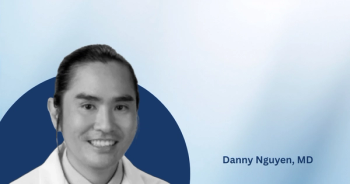
Danny Nguyen, MD, of City of Hope discusses bringing clinical trials to community oncology practices and the latest advances in lung cancer treatment.
Why genetic tests aren’t enough: learn how counseling, risk models, and ongoing follow-up shape personalized screening and cancer prevention.
Community oncology expands hereditary cancer genetic testing with team-based counseling, trained clinicians, and structured follow-up pathways for complex results and high-risk families.
Genetic testing reshapes community oncology, expanding hereditary screening to guide personalized surveillance, identify high-risk families, and shift care toward cancer prevention.
Chronic stress biomarker allostatic load links to higher under-50 cancer risk, offering a simple lab-based tool to improve prevention and screening.
Explore how allostatic load, using routine labs and vitals, may strengthen early-onset cancer risk prediction and guide earlier prevention in community oncology.

Community oncology moves beyond EMRs to intelligent records that embed AI, unify precision data, streamline trials, and cut clicks for better care.
Advertisement
Advertisement
Trending on Targeted Oncology - Immunotherapy, Biomarkers, and Cancer Pathways
1
Aglatimagene Boosts Immune Infiltration in Localized Prostate Cancer
2
Epcoritamab Plus R-CHOP Improves PFS in Newly Diagnosed DLBCL
3
Rinatabart Sesutecan Shows Durable Responses in Platinum-Resistant Ovarian Cancer
4
Phase 3 Trial of Daraxonrasib Plus Zoldonrasib Begins in RAS G12D PDAC
5