Michael C. Heinrich, MD, discusses promising KIT mutation analyses from the phase 1b StrateGIST study in gastrointestinal stromal tumors.

Michael C. Heinrich, MD, discusses promising KIT mutation analyses from the phase 1b StrateGIST study in gastrointestinal stromal tumors.
Long-term INDIGO data show vorasidenib extends progression-free survival, delays next treatment, and cuts seizures in post-surgery IDH-mutant glioma.
ASCO 2026: PSMAddition shows 177Lu-PSMA-617 boosts rPFS across mHSPC subgroups, with steady safety and insights on PSMA PET selection.
Andrew L. Pecora, MD, discusses the significance of the long-term findings from the KEYNOTE-942 trial of intismeran autogene and how it enhances the immune response.
Dr Pant highlights phase 3 data showing oral daraxonrasib nearly doubles overall survival vs chemotherapy in metastatic pancreatic cancer.
Dr McDonald shares promising data linking GLP-1 use to lower breast cancer risk, highlighting the need for clinical trials to prove prevention.
Andrew J. Wagner, MD, PhD reviews phase 3 PEAK data on bezuclastinib plus sunitinib in advanced GIST at ASCO 2026.
Roberto Mina, MD, discusses takeaways from the MajesTEC-9 trial results at ASCO.
Daniel Olson, MD, discusses the results of a phase 1 trial of brenetasfusp, a PRAME ImmTAC therapy in advanced melanoma.
SENOMAC at ASCO 2026 shows skipping completion ALND in select breast cancer keeps survival high and cuts lymphedema, boosting quality of life.
APP-led benign hematology consults boost access in community oncology—cut wait times, expand capacity, and show how teams scale safely.
Discover the final 7.8-year survival data from KEYNOTE-522 and see how adding pembrolizumab to chemotherapy drastically cuts recurrence for early TNBC.
Omar Nadeem, MD, discusses conclusions and next steps based on the CAR-PRISM trial in smoldering myeloma.
Ravi Amaravadi, MD, discusses how his team approaches tumor-infiltrating lymphocyte therapy to avoid delays that could keep patients from getting treated.
Mark Agulnik, MD, and Daniel Wang, MD, discuss risk assessment and treatment approaches with systemic therapy for desmoid tumors.
ALPHA3 highlights off-the-shelf allogeneic CAR T in community clinics, reducing leukapheresis hurdles and speeding up delivery.
FDA opens expanded access to daraxonrasib for metastatic pancreatic cancer, as phase 3 data boost survival and clinics race to manage access hurdles.
In an in-depth interview, Omar Nadeem, MD, explores the promising findings from 20 patients with smoldering myeloma treated with cilta-cel.
Phase 2 ALPHA3 shows cema-cel in MRD-positive large B-cell lymphoma has no CRS/ICANS so far, enabling outpatient consolidation with manageable adverse effects.
Interim ALPHA3 data show cema-cel clears ctDNA MRD in high-risk DLBCL after frontline therapy, prompting continued study of consolidation CAR T.
Omar Nadeem, MD, discusses results of the CAR-PRISM trial in smoldering myeloma.
Explore how taletrectinib's CNS penetration may delay brain metastases and reduce the need for radiation in non–small cell lung cancer patients with ROS1.
Early study data show community oncology matches or beats hospital cancer outcomes at lower cost, boosting local access, better experience, and payment reform calls.
Heather Stefanski, MD, PhD, discusses the significance of reducing the dose of post-transplant cyclophosphamide in the OPTIMIZE trial.
NIH funding disruptions threaten cancer trial pipelines, stalling early detection and new therapies—what oncologists and patients face next.
Lilit Karapetyan, MD, MS, discusses the importance of considering TIL therapy for melanoma in advance and not as a last resort.
Ohio State’s BRIDGE program coordinates age-tailored cancer care, tackling fertility, careers, and research gaps to transform outcomes for AYA patients.
CAR T therapy spreads beyond academic centers, but insurance, cost and policy gaps keep most eligible lymphoma patients from receiving it.
A new program for young cancer patients breaks disease silos, showing how multidisciplinary teamwork improves coordination, insights, and care.
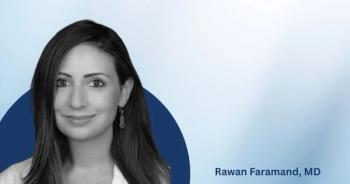
In an interview, Rawan Faramand, MD, discussed her research on cost-effectiveness of graft modification to prevent GVHD in hematopoietic cell transplant.